A Retro Flower Design for Embroidered Nostalgia
First Impression: A Vintage Mood That's Immediately Useful
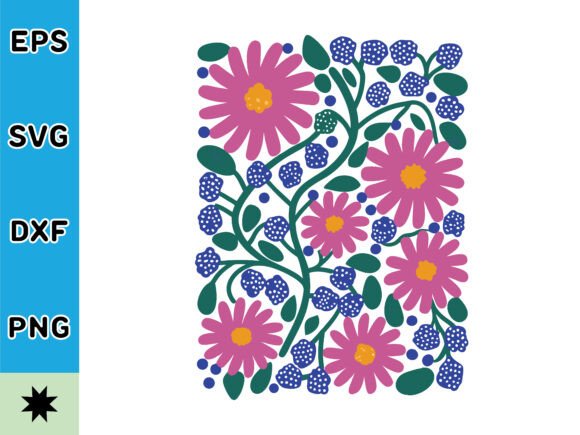
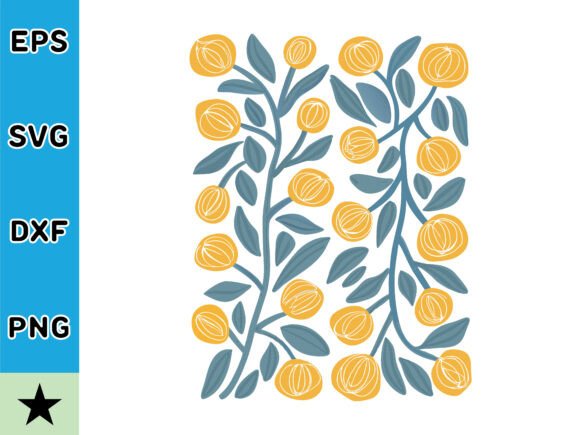
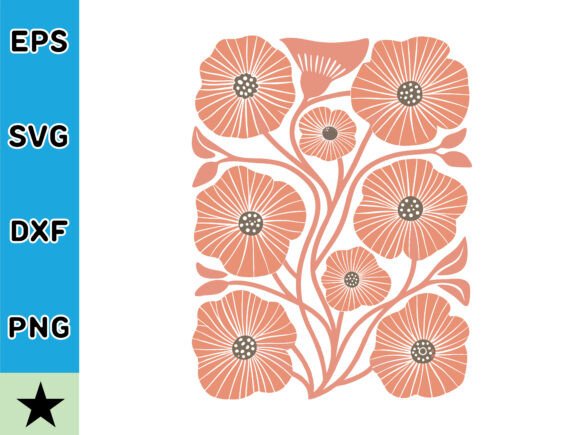
When I open the Artistic Retro Flower SVG Vector, my first thought isn't about file formats—it’s about mood. This design has a distinct personality. It feels nostalgic, a bit whimsical, but with a clean, graphic structure that I know will translate well into stitches. The lines are bold, the shapes are organic yet defined, and there’s a sense of relaxed elegance. It doesn’t scream for attention; it invites a closer look. This isn’t a generic floral. It has a visual character that I can immediately picture on a range of projects. For my embroidery work, that’s gold. A design with a strong initial feeling means it will carry that mood into the finished product, which is exactly what clients and customers respond to.
The Kind of Projects This Design Calls Home
I’m looking at this and thinking about texture and scale. The retro flower’s composition suggests it belongs on items where that vintage, handmade charm is part of the product’s story. I’m mentally placing it on a heavyweight cotton tote bag for a boutique—the bold lines would satin stitch beautifully against that fabric. I’m also seeing it as a central motif on a linen apron, or as a single, striking element on the corner of a canvas pillow cover. For my baby embroidery projects, scaled down appropriately, it would make a sweet, not-too-fussy accent on a knit blanket or a simple onesie. The design’s versatility, as suggested, is clear, but for an embroidery project, its strength lies in its graphic clarity. It’s not overly detailed, which means it won’t become a muddy, dense stitch area that compromises fabric integrity or visual appeal.
Putting It Into Real Stitches: A Practical Walkthrough
Let’s get practical. I’m imagining a specific scenario: a custom order for an embroidered sweatshirt from a small shop. The client wants something “unique and retro.” I pull up the Artistic Retro Flower SVG Vector. My immediate considerations are about stitch density and hoop size. The design’s open areas and defined outlines look like they’d use a mix of fill stitches for the larger flower elements and cleaner satin or running stitches for the stems and outlines. This is good—it prevents the design from being too heavy on a stretchy sweatshirt fabric. I would, of course, always advise testing on scrap fabric first, especially with a machine embroidery design on knit material. The right stabilizer is crucial here.
On a dark fabric, I’d need to think about thread color contrast. The retro style often plays with unexpected palettes, so maybe a cream or a soft sage green instead of a stark white. This design seems to have enough solid areas that color changes would pop effectively. On a lighter fabric, the same principles apply. Its graphic nature means the stitched shape will remain clear and recognizable, which directly boosts the perceived value of the finished product. A clean, recognizable embroidered motif looks professional and builds customer trust—they see a crisp, intentional design, not a blur of thread.
Where This Design Should Be Used With Care
While versatile, every design has its limits. For the Artistic Retro Flower SVG Vector, I’d be cautious on very small hoop sizes. Some of the interior details might become too tiny to stitch cleanly if the whole design is minimized drastically. It’s likely best kept at a moderate scale for clarity. Similarly, on highly textured fabrics like a thick boucle knit, some of the finer lines might get lost. The design also looks like it might have some corners and points. On a curved surface like a cap, I’d need to inspect how those details distort in the digitizing process and perhaps adjust the placement. For products that need frequent washing, like kitchen towels, the design’s balance of fill and outline should hold up well if stitched with quality thread, but again, a test on scrap is non-negotiable. This isn’t a criticism; it’s just the realistic embroidery designer thinking we all apply to any embroidery file.
The Bigger Picture: From Stitches to Sales
Beyond the technical, how does this design affect the business side? For a craft business or Etsy seller, using a design with a strong, cohesive mood like this retro flower aids in brand consistency. If your shop leans towards vintage-inspired handmade products, this becomes a reliable design asset. It’s also highly giftable. An embroidered tote bag or pillow with this motif feels like a thoughtful, personalized gift—it has a specific aesthetic, not a generic one.
For commercial embroidery or creating embroidered patches to sell, the design’s clarity is key for buyer engagement. In a printable mockup or a photo of the actual stitched item, customers can easily see what they’re getting. The “retro” aspect gives it a niche recognition, appealing to a certain buyer looking for that vibe. Before selling any finished product, I always confirm the licensing for the digital embroidery file. The product description mentions versatility for many tasks, but for us in embroidery, we need to be clear on whether the license permits use in items we sell. That’s a fundamental step.
Final Designer Notes Before Hooping Up
My process with a design like this is straightforward. First, I’d run a test stitch on a fabric similar to my final project. I’d check the small details, review the stitch density to ensure it’s not too punchy for delicate fabrics or too sparse for look. I’d look at it in both light and dark fabric simulations, often just stitching on scraps of both. I’d confirm the optimal hoop size for my machine to keep the design integrity. For custom apparel like sweatshirt embroidery or baby embroidery, I’d consider thread choices that enhance the retro mood—perhaps muted pastels or earthy tones instead of bright primaries.
The Artistic Retro Flower SVG Vector strikes me as a thoughtfully composed graphic. It’s not just a clip-art flower; it has a style that translates into a stitched object with character. Whether for a holiday embroidery gift, a line of small shop products, or a one-off personalized gift, it provides a solid, aesthetic foundation. The final judgment, as always, comes from the needle and thread. But from this designer’s point of view, it’s a design worth hooping up and seeing how its retro charm plays out in real thread and fabric.