Books, Tea & Tiny Creatures: A Designer's Embroidery Review
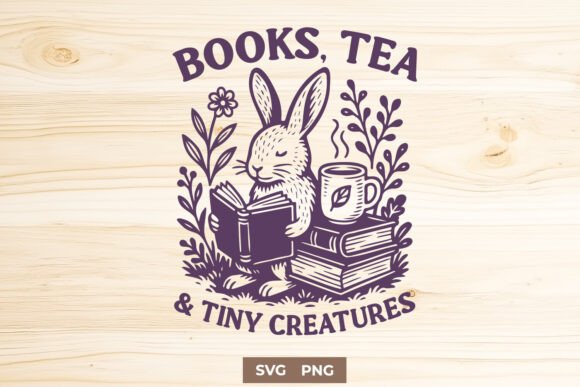
As a designer who regularly evaluates digital files for real embroidery work, my first task with any new design is to picture it stitched. When I loaded the Books Tea and Tiny Creatures Cozy SVG, that image came quickly. It’s a scene that immediately evokes a gentle, literary calm—a bunny nestled among books and florals with a steaming mug. The mood is unmistakably cozy and welcoming, perfect for projects aimed at readers, hobbyists, or anyone seeking a touch of quiet charm.
First Impressions: Where This Design Naturally Belongs
The layout feels balanced, with enough open space around the central elements to prevent it from becoming a dense, stiff block of stitches. This is crucial for embroidery, where stitch density can affect both the look and the feel of the final product on fabric. The detail level in the tiny creatures and floral accents suggests it will translate well into stitch form, provided the file is clean and the paths are well-defined. Visually, its personality leans toward giftable, boutique-quality items rather than bold, graphic apparel. I instinctively pictured it on a tote bag for a book lover, a pillow cover in a reading nook, or a delicate tea towel in a cozy kitchen.
Performance in Real-Life Embroidery Scenarios
Let’s walk through a real scenario. Imagine you’re preparing a custom embroidered tote bag for a client who runs a small bookstore. You want a design that speaks to her customers—something intellectual yet soft, handmade yet professional. This Books Tea and Tiny Creatures artwork fits that niche perfectly. On a natural canvas tote, the scene would stitch out as a focal point of handmade care. The bunny and books become recognizable, engaging details that invite a closer look, enhancing the perceived value of the bag.
For a small business owner creating holiday gifts or boutique merchandise, this design offers strong versatility. It would work beautifully on a high-quality sweatshirt for a literary-themed line, a baby blanket for a nursery (with careful fabric choice), or an apron for a tea shop. The inclusion of the steaming mug broadens its appeal beyond just books, making it relevant for kitchen textiles, café staff apparel, or personalized gifts for a friend who loves their quiet morning ritual. In an Etsy listing or at a craft fair, a product embroidered with this scene tells a story, which can drive buyer engagement more than a generic graphic.
Caution Areas: Where to Apply Careful Judgment
Not every design is for every surface. The charm of this piece lies in its details—the tiny creature, the florals, the book outlines. On very small hoop sizes, these details could become muddy or lost if the stitch density is too high or the paths too fine. I would be cautious putting it on highly textured or stretchy fabrics without rigorous testing, as fine lines might distort. Dark fabric backgrounds require thoughtful thread color contrast planning; the light, whimsical mood might be lost if the colors don’t pop.
Applying it to curved surfaces like caps would demand a simplified, possibly resized version to ensure clarity. Likewise, for products destined for frequent washing, like kitchen towels or baby items, you’d need to ensure the stitch structure is robust enough to withstand wear—areas of dense fill stitch might pucker or degrade over time on thin fabric. These are standard considerations, but they’re especially pertinent for a design with mixed elements of line work and potential fill areas.
Impact on Visual Appeal and Business Value
From a professional standpoint, a well-executed embroidery of this design elevates a product. It moves from a simple decorated item to a piece with narrative. For creative entrepreneurs, that translates to better storytelling in your brand, higher perceived craftsmanship, and increased giftability. Customers trust items that feel thoughtfully designed and uniquely made. When stitching clarity is achieved—clean satin stitches for outlines, perhaps fill stitches for the mug or bunny—the final product looks consistent and professional, reinforcing customer trust in your handmade presentation.
For digital product sellers using it in printable mockups or as part of design assets, the cozy, universal theme makes it a flexible commercial embroidery file. It can anchor a product line, from embroidered patches to full apparel decor.
Practical Designer Notes Before You Stitch
My standard process applies here, and I’d recommend it to any crafter or business owner:
- Always test the embroidery file on scrap fabric first, preferably a similar material to your final product.
- Check thread color contrast against your background fabric—run a black and white mockup to see if the shapes hold.
- Review the stitch density in your software; adjust if areas seem too dense for lightweight fabrics.
- Confirm the effective hoop size needed for clarity; don’t force it into a tiny hoop if details vanish.
- Inspect the small details in the preview, like the tiny creature’s features and flower stems.
- Use proper stabilizer for your fabric type; this design’s mixed elements need a stable foundation.
- Compare how it looks on both light and dark background mockups to plan your product range.
- Most critically, check the licensing terms of the Books Tea and Tiny Creatures Cozy SVG file before selling any finished items or commercial embroidery projects. Ensure your use, whether for personal gifts or small shop merchandise, is compliant.
Ultimately, this design’s strength is its evocative theme. It’s not a loud, graphic statement but a quiet, detailed scene. In the right embroidery project—a tote bag, a pillow, a special gift—it stitches out into something that feels personal and considered. That’s the kind of finished product that resonates with buyers and brings satisfaction to the maker. Approach it with practical testing and a clear vision for its best fabric home, and it will likely become a reliable, charming asset in your craft business or hobby portfolio.